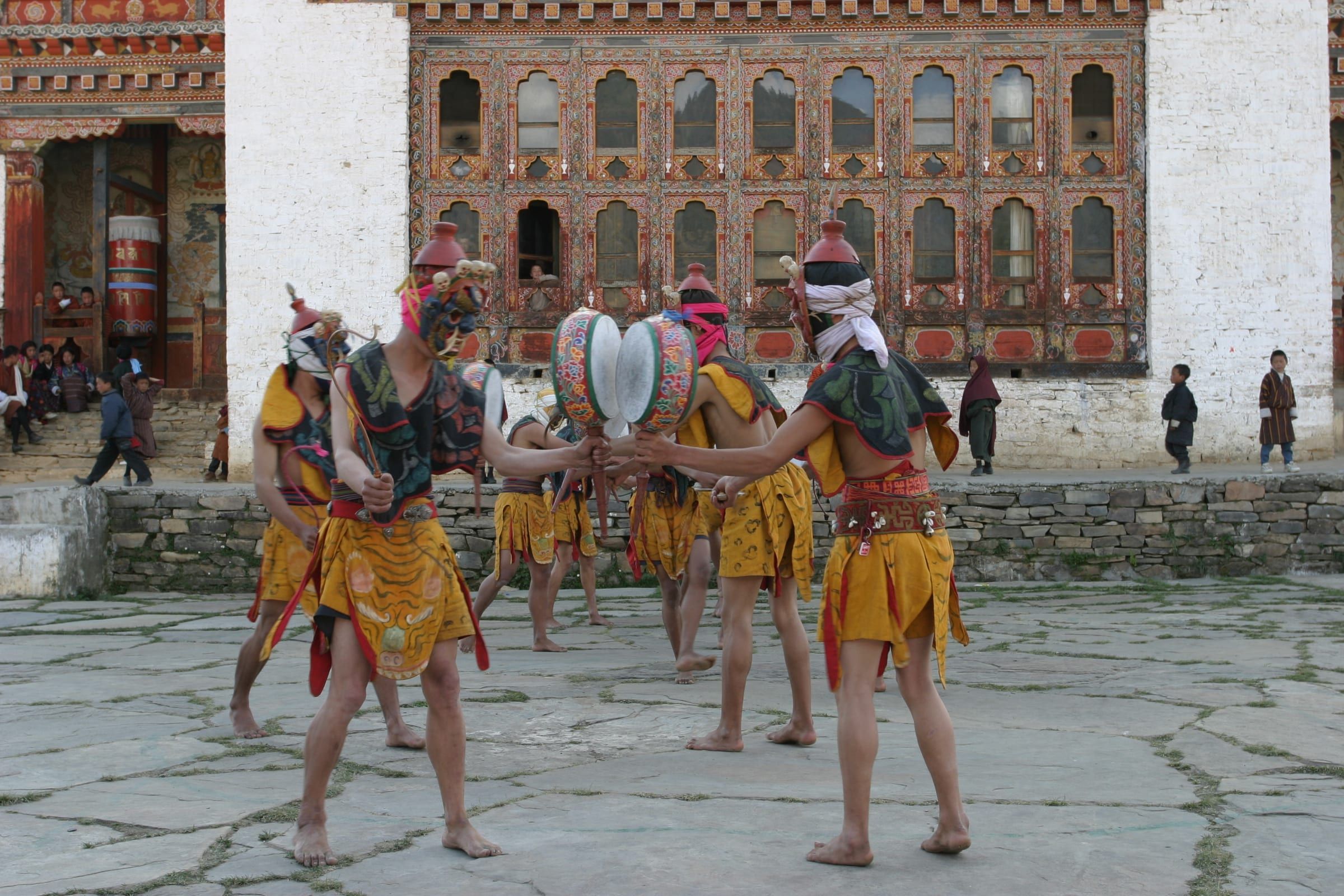
A guide to Bhutan's festivals
Tshechus (festivals in honour of Guru Rinpoche) are among Bhutan's most important religious and social occasions. Every festival in this guide has its own page. Little Bhutan publishes the guide.
The festivals that follow
These festivals start next, in the order they begin.
All dates are tentative.
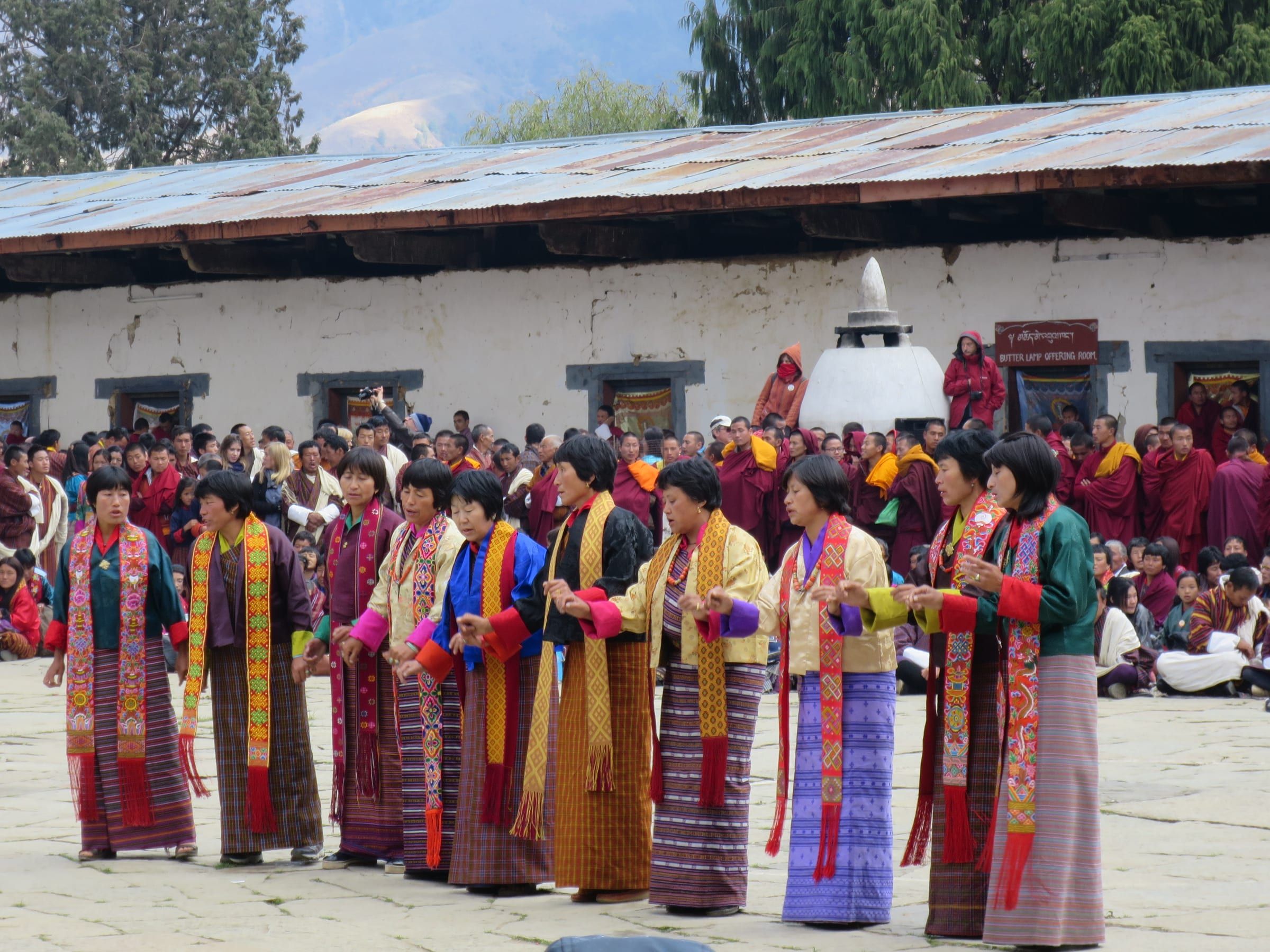
Prakhar Duchhoed
Prakhar Lhakhang
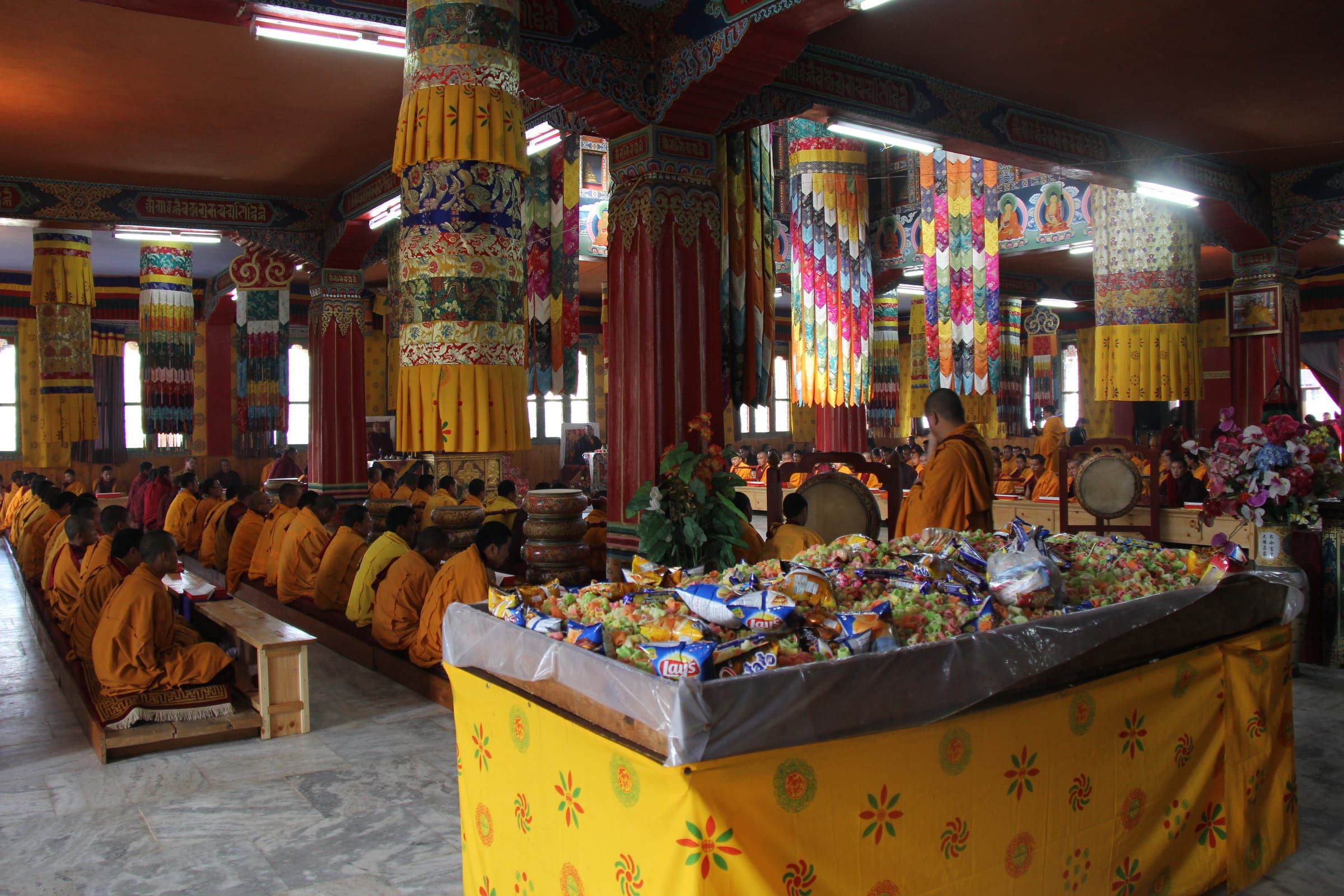
App Chundu Lhasel
Jangkakha
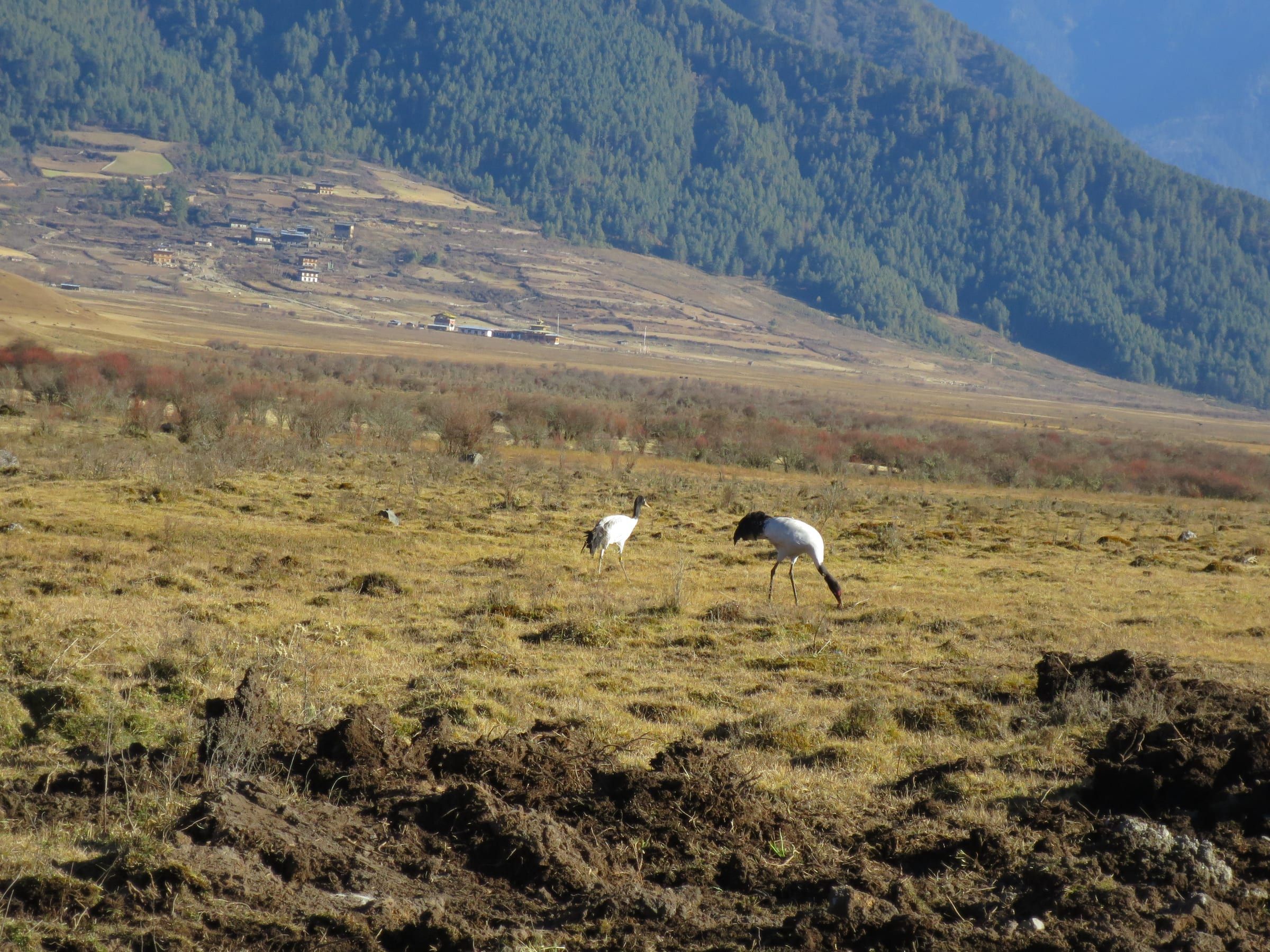
Black-Necked Crane Festival
Gangtey Goenpa
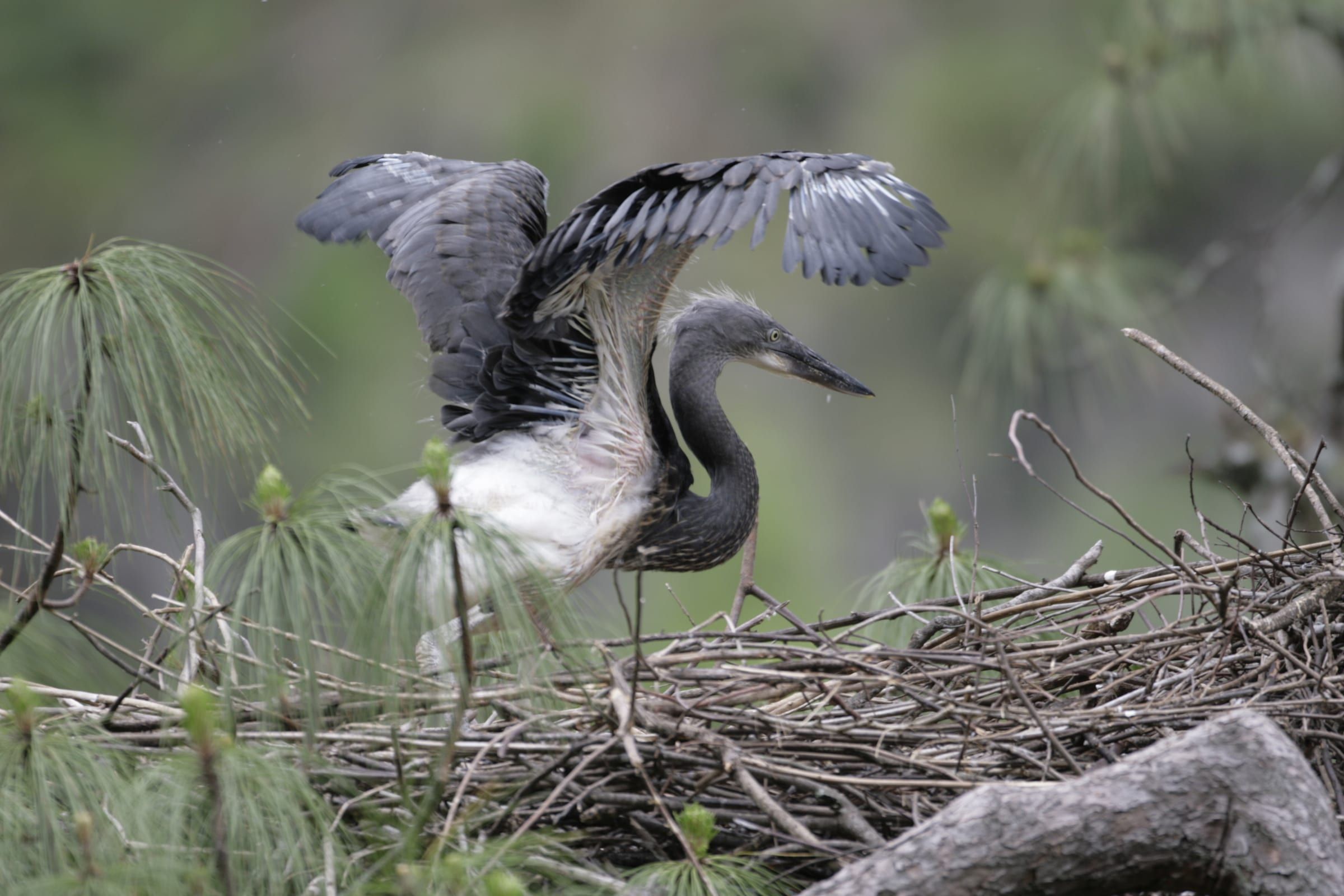
Bhutan Bird Festival
Tingtibi
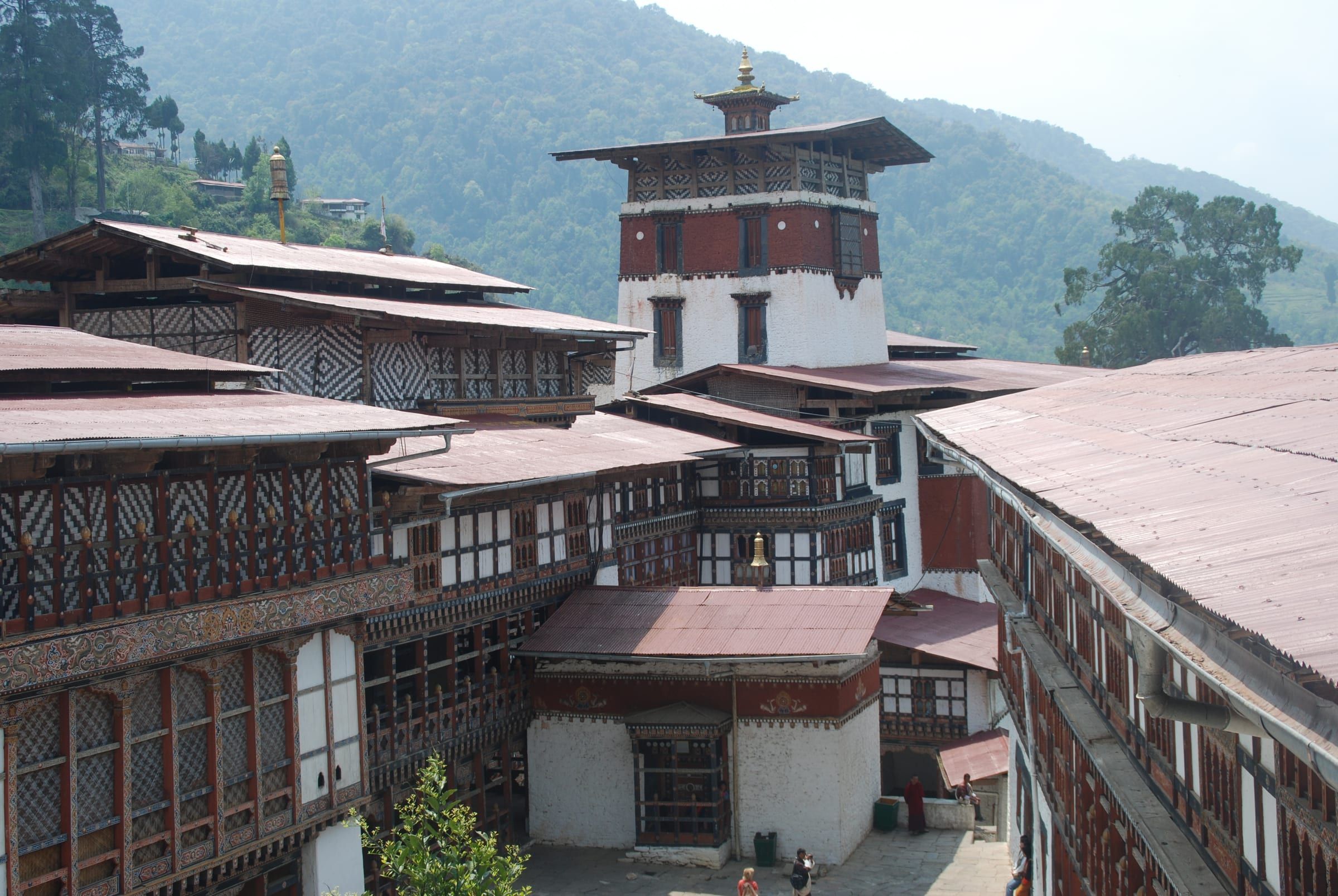
Goenpai Drubchen
Trongsa Dzong
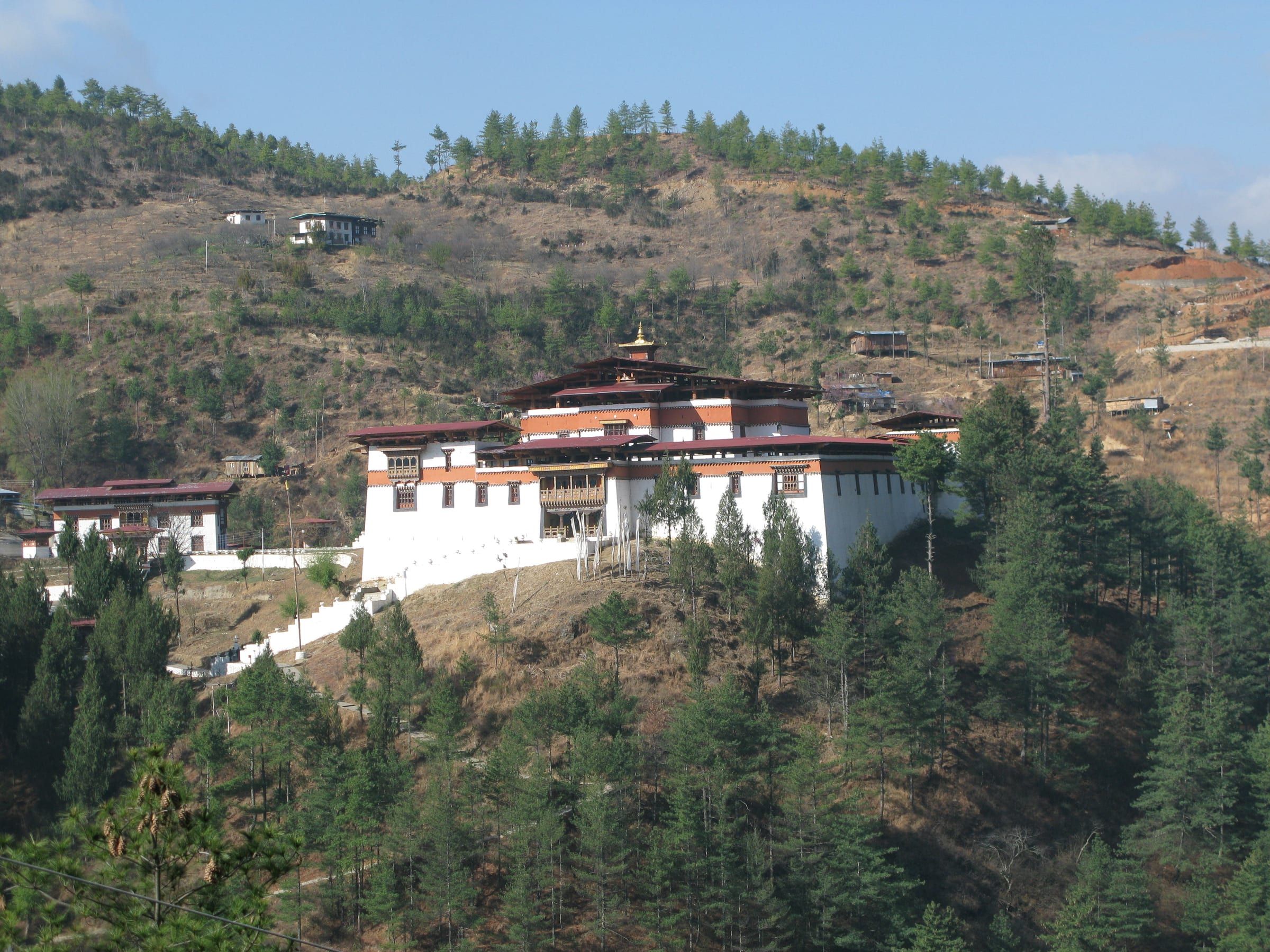
Mongar Tshechu
Mongar Dzong
- Browse all festivals
All festivals
Every festival in the guide, grouped under western, central and eastern Bhutan.
The next twelve months
Each month shows how many festivals are listed for it and names up to three. A festival with no upcoming dates is listed for its usual month.
All dates are tentative.
October 2026
3 festivals
- Jambay Lhakhang Drup
- Prakhar Duchhoed
- Royal Highland Festival
November 2026
11 festivals
- App Chundu Lhasel
- Black-Necked Crane Festival
- Bhutan Bird Festival
December 2026
5 festivals
- Druk Wangyel Tshechu
- Lhuentse Tshechu
- Trongsa Tshechu
January 2027
0 festivals
February 2027
6 festivals
- Lhamoi Dromchoe
- Punakha Dromchoe
- Punakha Tshechu
March 2027
6 festivals
- Chorten Kora
- Gasa Tshechu
- Gomphu Kora
April 2027
5 festivals
- Rhododendron Week
- Domkhar Tshechu
- Ura Yakchoe
May 2027
0 festivals
June 2027
2 festivals
- Nimalung Tshechu
- Kurjey Tshechu
July 2027
0 festivals
August 2027
2 festivals
- Genekha Matsutake Festival
- Ura Matsutake Festival
September 2027
0 festivals
Masked dances and clowns
In cham (sacred masked dances), each dancer visualises a deity and takes on its actions and qualities. Monks and lay members of the community perform them in brocade costumes and carved, painted masks.
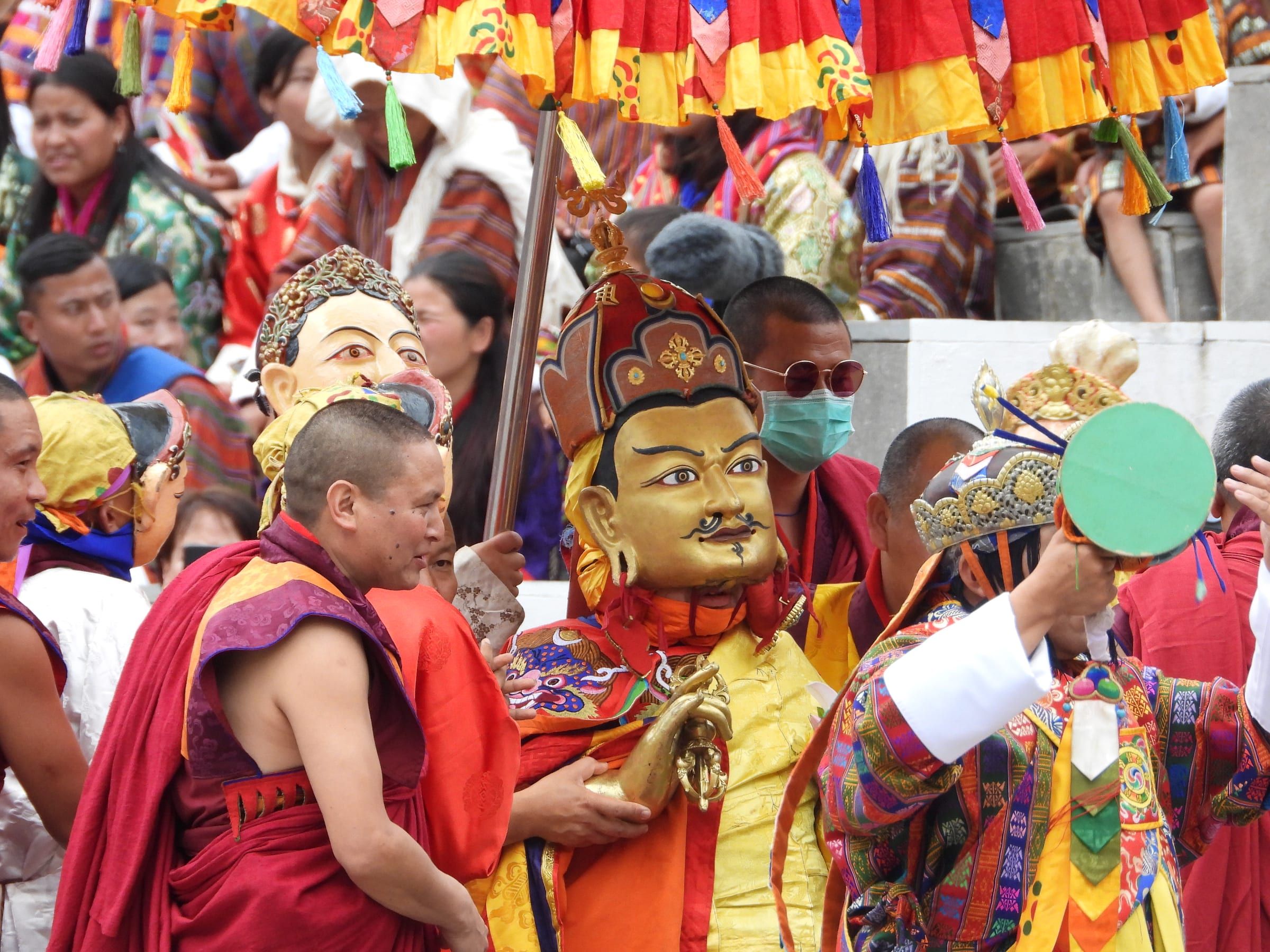
Guru Tshengye
Guru Tshengye presents the eight manifestations of Guru Rinpoche in dance. Guru Rinpoche introduced Vajrayana Buddhism across the Himalayas in the 8th century. The thongdrels (giant appliqué scrolls) of Paro Tshechu and Gomphu Kora show the eight manifestations too.
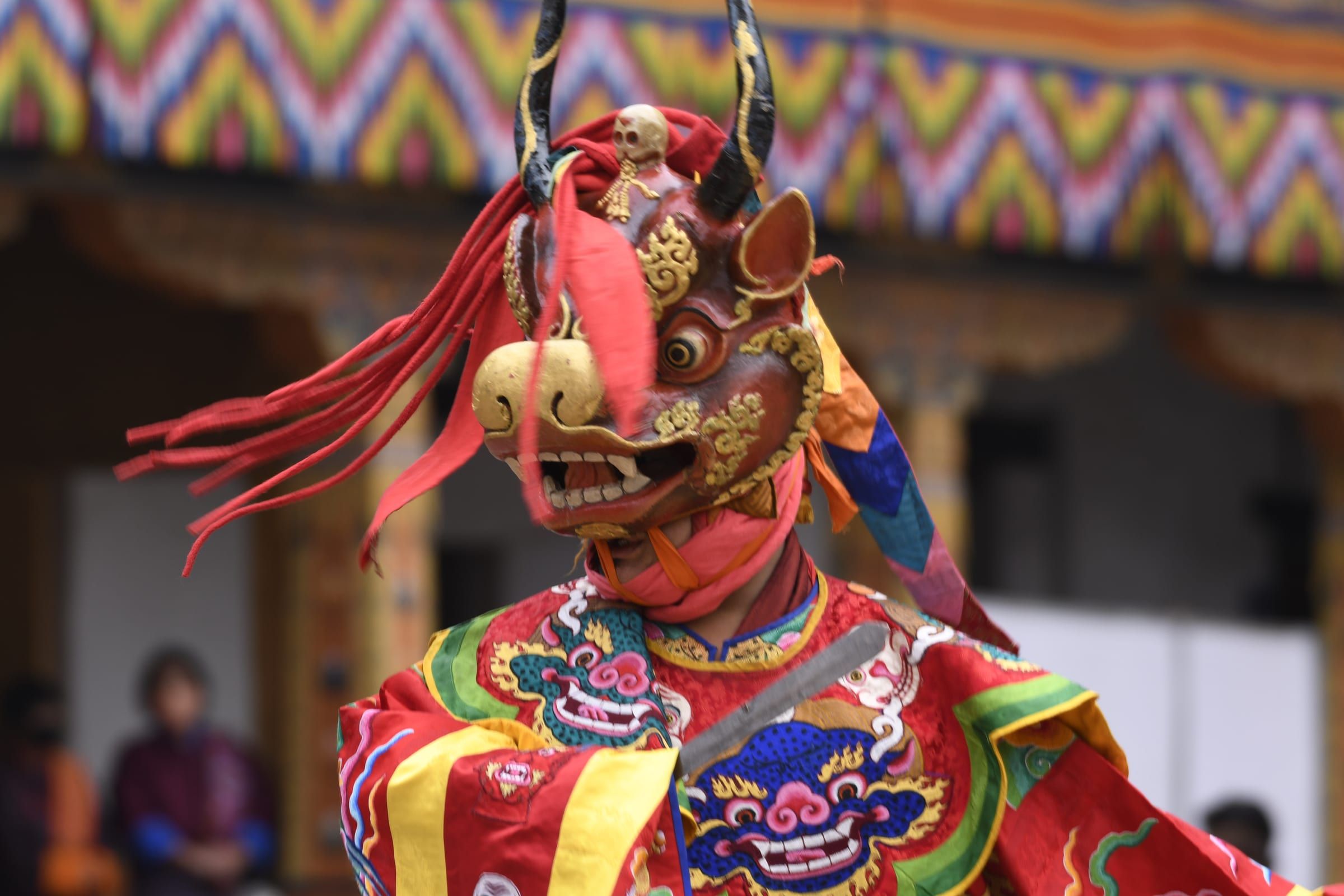
Shinje Yab Yum
Two dancers in bull masks perform Shinje Yab Yum as a male and female pair of wrathful deities. It purifies and blesses the ground before the cham that follow. At Nalakhar Tshechu in Bumthang, a local version called Sachak Namchak ("to break open both the ground and the sky") is danced in yak masks, and a monkey carrying an incense burner opens it.
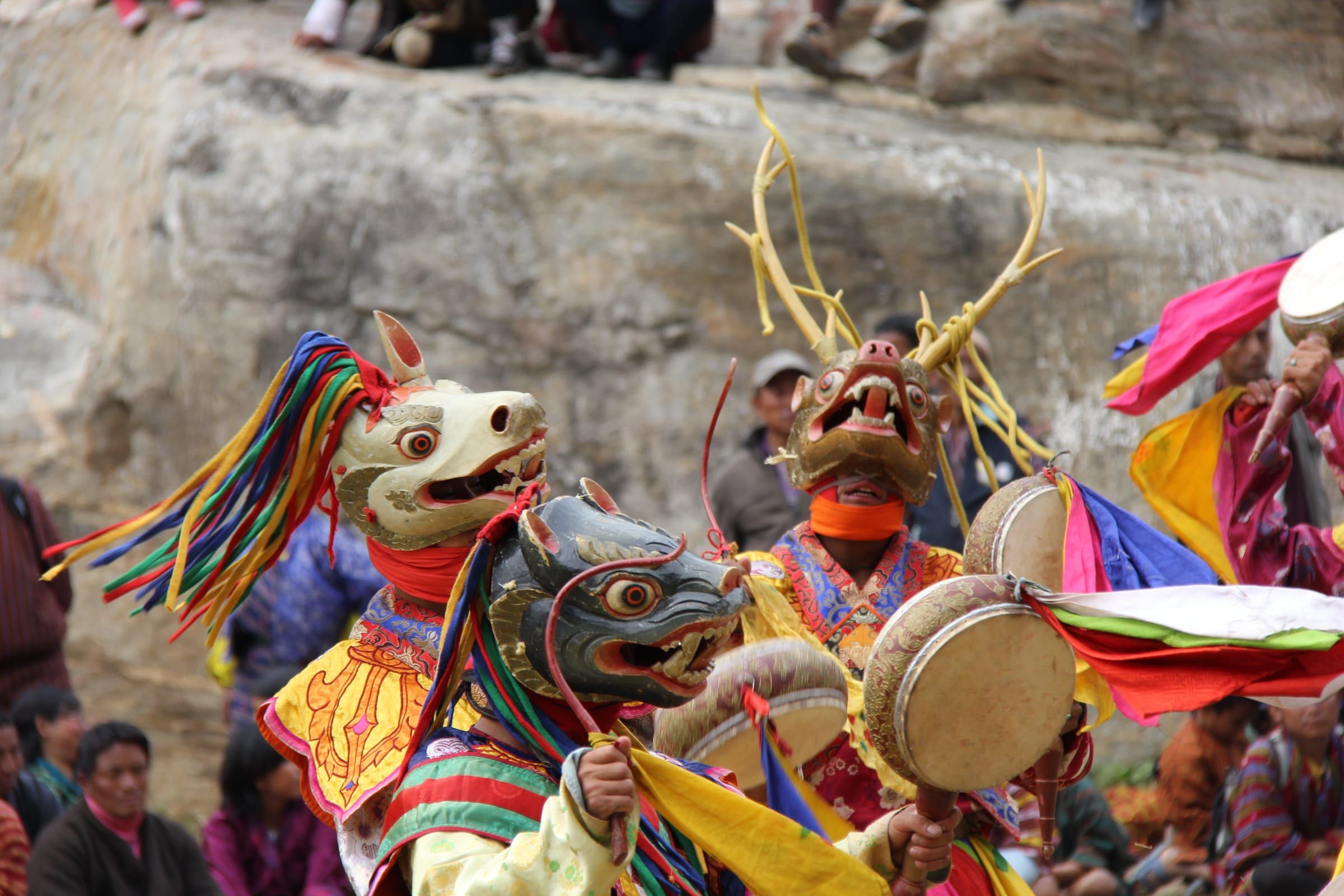
Drametse Ngacham
Drametse Ngacham (the Mask Dance of the Drums from Drametse) began at Drametse in eastern Bhutan. Kuenga Gyaltshen, a descendant of Pema Lingpa, taught it there. According to tradition, it came to him in a vision of Guru Rinpoche's palace. Sixteen masked men dance the original to a ten-man orchestra of cymbals, trumpets and drums. Most festivals have ten to sixteen dancers. A calm section of peaceful deities alternates with a rapid section of wrathful deities. UNESCO inscribed it on its Representative List of intangible cultural heritage in 2008.
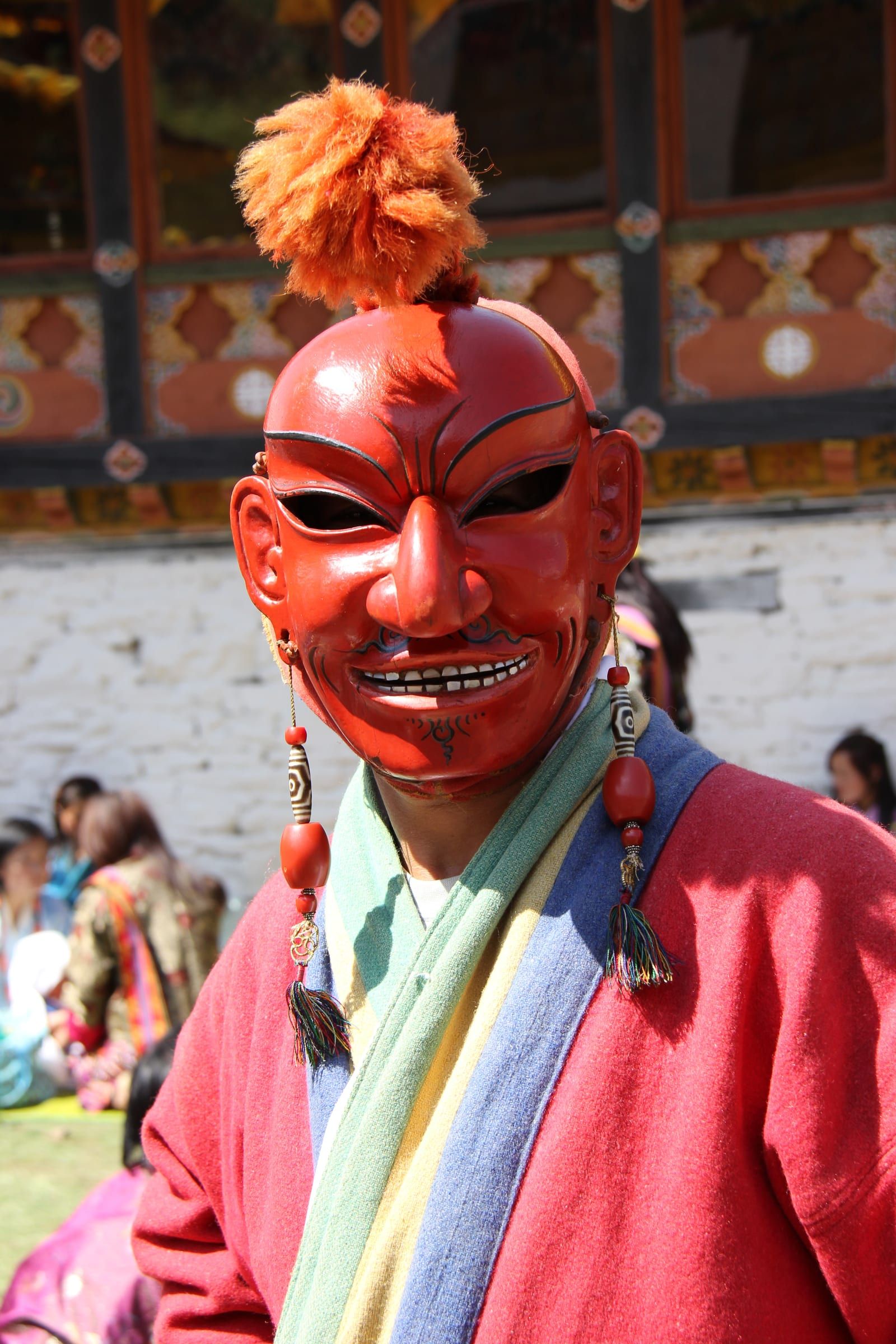
Atsara
Atsara (masked clowns) work the crowd between dances, with comedy, crowd control and spiritual encouragement. They also assist the dancers. Their name comes from the Sanskrit acarya ("philosophy master"). At Gomphu Kora in eastern Bhutan, the big-nosed atsara makes fun of dignitaries and of visitors' cameras.
Planning a festival trip
Visa
Most visitors need a visa approved before they arrive. You can apply online yourself, or a tour operator or hotel can apply for you. The application fee is US$40. Indian nationals do not need a visa and travel on an entry permit.
Sustainable Development Fee
Most nationals pay US$100 per adult per night. Children aged 6 to under 12 pay US$50 per night, and children under 6 pay no Sustainable Development Fee. Indian nationals pay Nu. 1,200 per person per night.
Guide and insurance
You must be accompanied by a licensed guide at all times in Bhutan. Travel insurance is recommended, but it has not been mandatory since 23 April 2024.
Flights and when to book
Drukair and Bhutan Airlines operate international flights to Paro. March–May and September–November are the most popular months to travel. Flights in those months can be fully booked several months in advance, so book flights and accommodation early.
Dress and conduct
At temples, monasteries and dzongs (fortresses), wear long sleeves, cover your legs and take off caps and hats. Remove your shoes when you enter a sacred site, and do not take photographs inside. Take care when photographing people who are praying or taking part in a festival.
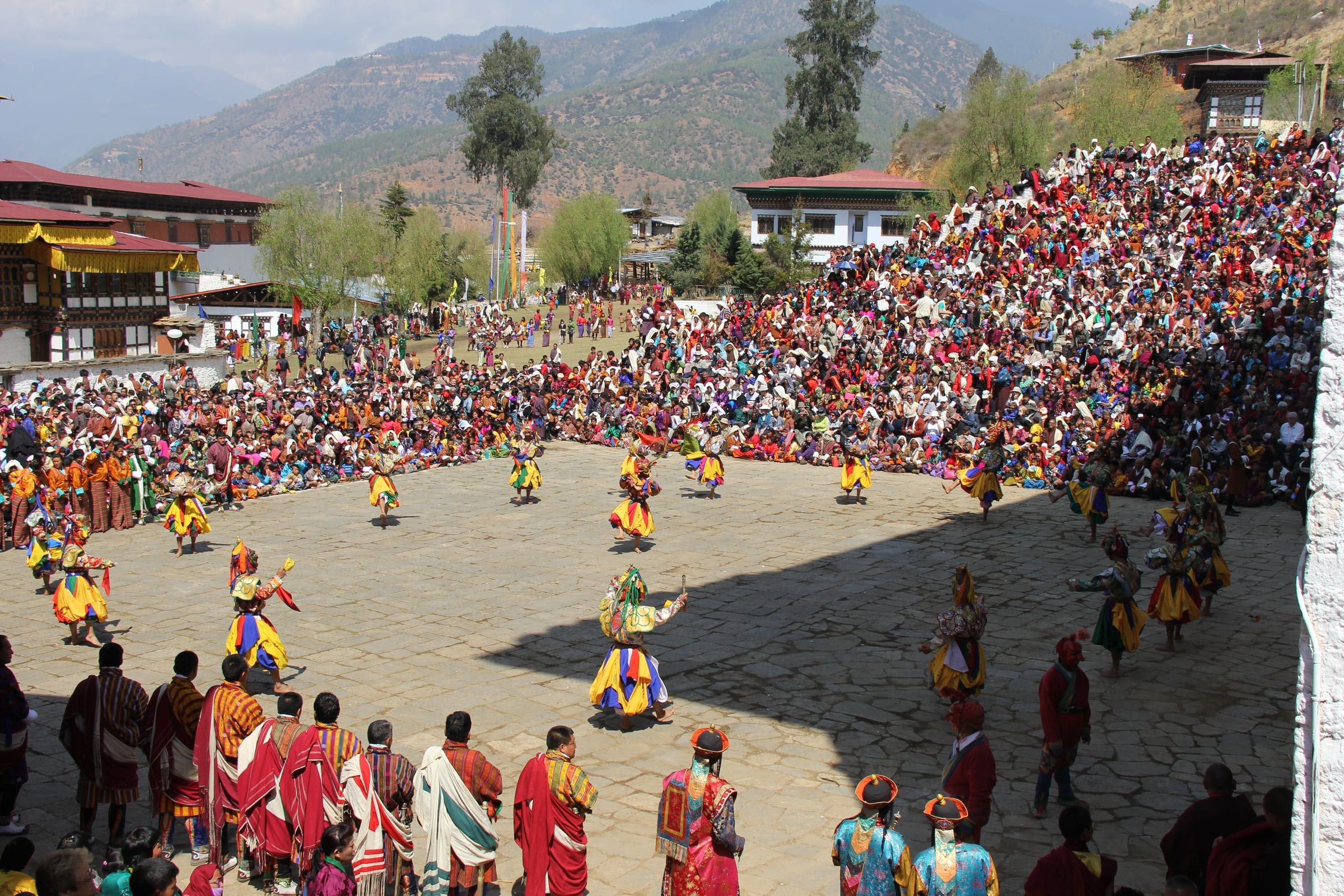
Plan a festival trip with Little Bhutan
We run private, tailor-made festival tours. Tell us which festival you want to be at.
Plan Your TripWe have been licensed since 2011. We are locally owned and operated, and headquartered in Thimphu.